
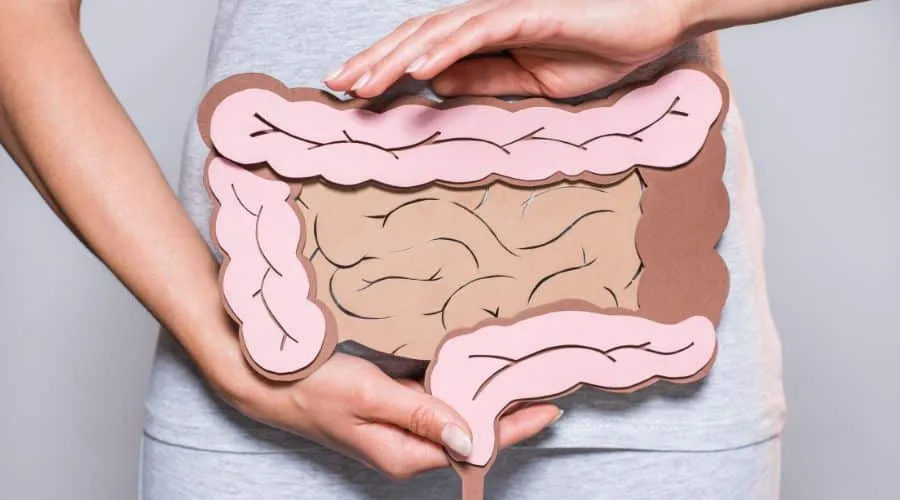
Did you know that your immune system, metabolism, and even your mood are deeply connected to your gut? One of the most powerful tools for balancing the gut-brain axis may come from an unexpected source: colostrum. Paired with probiotics and prebiotics, this trifecta can help restore balance, improve digestion, and support total-body wellness.
What Is Colostrum?
Colostrum is the nutrient-rich first milk produced by female mammals after giving birth. It’s packed with essential nutrients and bioactive compounds designed to support a newborn’s immune system, growth, and development.
While human infants receive many immunities from the placenta, breastfeeding—especially in the early days—offers crucial support through colostrum. However, experience and research show that even non-breastfed babies, children, and adults can benefit from colostrum supplementation.
Why Bovine Colostrum Matters
Bovine colostrum (from cows) is remarkably similar to human colostrum and is widely used in supplements. It contains over 90 bioactive compounds, including:
Nutritional factors: Proteins, fats, carbohydrates, vitamins, and minerals
Immune factors: Immunoglobulins that help defend against pathogens
Growth factors: Compounds that stimulate cellular repair and regeneration
One of its most promising uses? Supporting gut health. Bovine colostrum has been shown to help with leaky gut syndrome, a condition marked by increased intestinal permeability. By restoring the gut lining and reducing inflammation, it can also support brain function, immune resilience, and metabolic balance.
Probiotics: Rebalancing the Microbiome
Probiotics are live beneficial bacteria that help maintain a healthy gut microbiome. They play a critical role in digestion, immune function, and even mental clarity.
Probiotic-rich foods include:
Yogurt
Kefir
Kimchi
Kombucha
Sauerkraut
If your diet lacks fermented foods or you’re recovering from illness or antibiotic use, a probiotic supplement can help repopulate your gut with good bacteria and protect against dysbiosis.
Prebiotics: Feeding the Good Bacteria
While probiotics add good bacteria to your system, prebiotics feed the ones already there. Prebiotics are typically found in plant-based, fiber-rich foods that resist digestion in the stomach and reach the intestines intact—where your gut microbes thrive.
Great sources of prebiotics include:
Kale
Broccoli
Garlic
Onions
Other cruciferous vegetables
This dietary fiber fuels your microbiome, helping beneficial bacteria multiply and support gut integrity.
The Gut-Brain Axis: A Two-Way Street
Your gut and brain communicate constantly through the gut-brain axis. A disrupted microbiome can affect everything from mood and focus to immune response. Maintaining a healthy gut ecosystem is one of the smartest ways to support both physical and emotional well-being.
The Bottom Line
Whether you’re recovering from gut issues, looking to boost immunity, or simply seeking better digestion, a three-pronged approach makes sense:
Colostrum to rebuild and protect the gut lining
Probiotics to restore bacterial balance
Prebiotics to nourish your microbiome
Maintaining a healthy gut microbiome can support both mental and physical health. Alongside professional guidance, consider incorporating bovine colostrum, probiotics, and prebiotic-rich foods to help restore gut balance and support the gut-brain axis.